Mostrando postagens com marcador Pavel Sheremet. Mostrar todas as postagens

domingo, 31 de julho de 2016

Sanctions, NATO, Olympics and murder: ingredients of worsening relations between Russia and the West

(West and Russia: little friends.)

The last few weeks have been marked by increased tension between Russia and the West. From NATO to the Olympics, political, economic and military differences have placed Russians and the Weste on opposite sides and worsened the Moscow´s international situation.

I don´t intend to deepen the following facts, but give an overview of how recent events can affect the Russia´s relationship with the West and contribute to the understanding of the political climate sorrouding this relation.

(European Union renowed for another six months the economic sanctions against Russia. Red signal to the Kremlin.) 

On June 15th the European Union renewed for another six months the economic sanctions against Russia for it´s role in the conflict in Ukraine. The measure affect politics and economy personalities and Russian investiments in the continent and are valid until January 31st 2017. Nothing new in this regard since renovation was already expected. On response, Russia announced apply the principle of reciprocity and will impose sanctions to food imports from Europe. There is a lack of perspective for sanctions suspension.
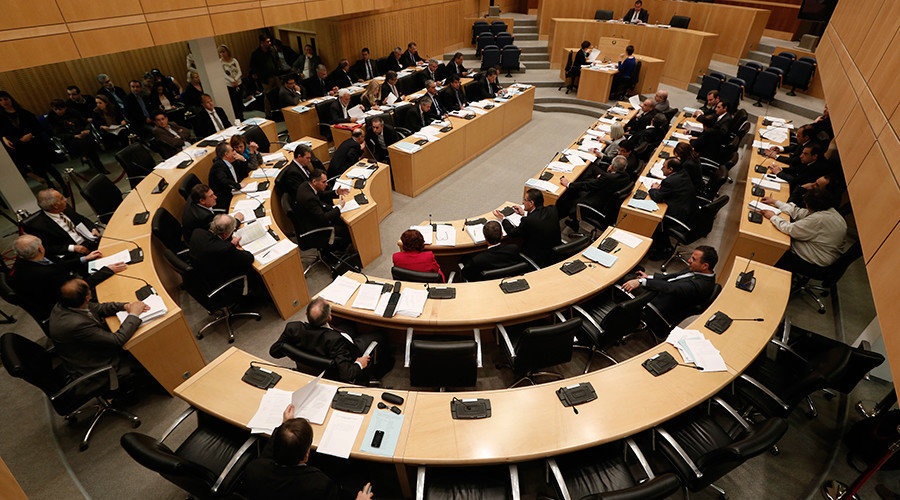
(Lawmakers in the Cyprus´ Senate in the capital, Nicosia: country of Orthodox traditions with historical relations with Russia.)

On the other hand there are moves in some coutries to question the sanctions effectiveness and pressure the European Union to suspend them. Such questions start from Euroceptics and/or pro-Russia groups. One in Cyprus. On July 7th it´s Parliament called for the end of the sanctions saying they undermined trade between the two countries, were counterproductive, "unacceptable" and that the targets were friendly people of the country. Italy also has positioned against the sanctions renewal. The resolution was adopted on June 27th by the Senate at the request of Northern League, party with close links with the Kremlin (the League also urged to Senate officially recognize Crimeia as Russian territory, but this resolution was denied). Two other pro-Russia parties, Five Stars and Fuerza Itália, also supported the resolution. And a few weeks ago Italian regional governments has called for sanctions suspension. Another country that take the same measure was Greece, whose Alexis Tsipras government, the Syriza leftist coalition, has systematically opposed to the sanctions against Russia. During a visit by Putin to the country in late May, Tsipras declared once again be firmly against such sanctions. Syriza rules Greece along with the far-right party Independent Greeks, also pro-Russia. Member of both parties have close links with the Kremlin, as already mentioned in this blog.

(NATO meeting logo in Warsaw with the members countries´ flags.)

On July 8 and 9th was held in Warsaw, Poland, the meeting of the NATO countries. The members released a joint statement where say that "the Euro-Atlantic community is facing unprecedented challenges emanating from the South and East", establish agreements between the organization and the European Union to speed up the preparations of the continent´s defense and improve the exchange of informations and know how for a hybrid war. The references to the "South" and "East" are, respectively, North of Africa/Middle East and Russia, and the mention of "hybrid war" is a response to the Kremlin´s strategy of penetration into Europe through desinformation campaign, internet activism, secret service role and, in the case os Islamic extremism, terrorism. Another point of great importance was the formal approval of sending more alliance troops to Eastern Europe. A total of four thousand soldiers (one thousand in each battalion) will be allocated in Estonia, Latvia and Lithuania and Poland, Russia´s neighbouring countries. Despite these troops are not enough to contain a Russian invasion they are a clear message to the Moscow´s behavior, who since the annexation of Crimeia in 2014 and the infiltration of soldiers who started a war in Ukraine, has become too much more provocative.

(Vladimir Putin with the Finnish Prime Minister, Salui Niinisto: the Russian president was clear of what he thinks about a possible Finland integration to NATO.) 

A week before the NATO meeting, Vladimir Putin was in Finland where he met with country´s Prime Minister, Salui Niinisto. Given the recent tensions involving the invasion of the aerialspace in the Baltic Sea region countries by Russian aircrafts and the NATO military exercices in Poland, Finland has taken into account it´s entry into the organization. Putin said enjoy the Finnish military neutrality, but that it´s entry into the NATO would cause a response from Russia suggesting that would relocate it´s military forces on the border of two countries. The declaration was a clear message of irritation that recent aliance military moves cause in the Kremlin, and was seen by some Western media as a threat. Although Finland is militarily neutral, with the Warsaw meeting the country passed to have (as well as Sweden, another neutral country) a permanent seat for talks within the organization. If in the future the Finns move into the group, Russia will have another border (this time extensive, with 1340 km) with adversary troops. The NATO troops movement next to Russia is a nuisance factor and a challenge for Moscow, which see the need to respond to the height of the Western military presence.

(Two-time Olympic champion in Athens and Beijing, three-time world champion and four-times indoor world champion in pole vault: for Yelena Isimbayeva the bannishement of Russian athletes from track and field is the sport "funeral" and "a blatant political order".)

In sports Russia also had losses. On June 17th, International Association of Athletics Federations (IAAF) banned the Russian track and field athletes from Olympics 2016 in Rio de Janeiro on charge that many of them used banned substances to improve sports performance. Such uses were sistematic and were part of an doping policy state-sponsored. According to the report published by the World Anti-Doping Agency (WADA) there were many frauds in the collection for analysis: many of them were cancelled or rejected, others were lost and urine samples were exchanged. In the later case the work would have been done by the Russian secret servisse. The ban follows the punishment suffered by the same athletes in November 2015. At the time they were suspended from all international competition due the same scandal. Investigations showed that frauds in anti-doping tests had been widespread.

The Russian Olympic Commettee (ROC) and other 68 athletes attempted to overturn the ban for the Rio Games, but so far without success. The International Olympic Commettee (COI) said that the Russian athletes could compete if they proved were clean of prohibited substances, and that their presence in the games should be under neutral flag. On July 25th, another seven Russian athletes, this time from synchronized swimming, were also banned by the International Swimming Federation (FINA, in French).

(The Moscow Olympics, in 1980, had the American boycott in response to the Soviet invasion of Afghanistan: sports and politics were never fully separeted. The Soviets responder boycotting the Los Angeles Games four years later.) 

All-Russia Athletic Federation (ARAF) and some Russian authorities oscilated between defensive and prosecution. Vladimir Putin and Sergei Lavrov asked the sports issue was not politicized. But Lavrov complained to John Kerry the US interference on punishment of their athletes and accused American ask, through a letter to the COI by their anti-doping agency (USADA), the banishment of all the Russian delegation. The Minister called this act "provocative anti-Russian demands". Putin suspended his Sports Deputy Minister, Igor Upland, and all the names mentioned in the WADA report, but defended the Minister Vitaly Mutko, longtime political ally, and questioned what would be the reason for the US anti-doping agency and other countries ask soo hastily, based on the WADA report, the suspension of all the Russian delegation. For this part, Mutko asked that the accusation against him was "absolutely unreal and impossible".

The Lavrov and Putin´s defensives suggest, on the one hand, the widespread doping scandal is real; for the other hand criticism of anti-doping organizations in other countries suggest a political motive for the Russian athletes ban. Real or not, this attitude transfers in some extent the meaning of the ban from sports sphere to international politics. It´s an ingredient in bad relations between Russians and the West. Although the IOC is global, the international organizations are seen by the Kremlin as political tools of the West, specifically the US, and the banishment of Russian athletics of Olympics would be a political provocation. The Americans boycott to the Moscow Games in 1980 in response to the Afghanistan Soviet invasion (1978-1988) and the Soviet boycott response to the Los Angeles Games in 1984 show that sport works, too, as a international pressure instrument. If confirmed the ban on Russians for the Rio Olympics it will be the first time that a large number of athletes (more than a hundred) stay out of the competition since 1984 por doping or political reasons, and will be the third time that this kind of crisis involves the Russians.

(Pavel Shemeret and the car he was after the explosion in Kiev, on July 20th: political instability in Ukraine.)

On July 20th was murdered in Ukraine the journalist Pavel Sheremet. Although died at 44, his career was intense: born in Belarus, he was harsh critic of Alexander Lukashenko government. He was arrested in 1997 while crossing the border from Lithuania during recording for a Russian TV being accused of "receiving money from foreign agencies" and for "illegal journalistic activities". He was released early 1998. In 1999 he moved to Russia, where acquired citizenship the following year. There he was also a journalist opponent of Putin, but his situation got more difficult when Crimeia was annexed in 2014, of which became a strong critic. He openly accused Russia of illegaly annex the peninsula and support separatists in eastern Ukraine. In the same year Sheremet left the TV where he worked, Channel One, in protest to the Russian government action in the media, and moved to Kiev. There he was murdered.

The car he was exploded in city´s downtown shortly before 8 am as he went to the work. The vehicle´s owner was his wife, Olena Prytula, journalist and newspaper´s former editor where both worked, Ukrayinska Pravda. The newspaper, founded in 1990, has a history of opposition to the Ukranian government. One of it´s founders, Georgiy Gongadze, who at the time was close to Prytula, was kidnapped and beheaded in 2000 during the Leonid Kuchma government. The case had considerable repercution and helped to precipitate the "Orange Revolution" in 2004 which brought to power the Kuchma´s opponent, Viktor Yushchenko. Sheremet was Boris Nemtsov´s friend, one of the main Putin´s opponents in Russia, and became one of almost twenty journalists murdered in the country since it´s independence in 1991. A Ministry of Internal Affairs´ spokesman said it couldn´t be rouled out the possible involvement of the Russian secret service in the murder. Another suspicion was that the target was Prytula, since the bomb was put in her car. The Sheremet´s recent work addressed, too, the corruption in Poroshenko government and the pro-Ukraine Azov Battalion´s role and lead by the extermist Right Sector. Poroshenko described the muder as "tragedy" and said that he knew personally the journalist.

(The murdered Russian politician Boris Nemtsov beside Sheremet to the microphone.) 

It´s not possible to say who ordered the Sheremet´s death. From availabe informations it can make hypotheses. And many. Since the pro-Ukraine battalion to Russia´s secret service, a member of the Ukranian government to Belarus government, any of these groups or members may have connection with the murder. Journalists and opponents of the Russian and Belarussian governments mourned the Sheremet´s death and recalled his proximity with Nemtsov highlighting the role that both played by revealing the corruption schemes of the establishments of these countries; others compared the journalist´s death with the Alexander Litvinenko´s murder by the FSB in London in 2006. Both comparasion suggest that Sheremet was one more victim of the governments of the former USSR countries. Despite the suspicions of Russian involvement, two things need to be said: first that everything is still speculation, and that the Russia´s involvement is just theory. Second that, as announced some Ukranian authorities, the Sheremet´s murder worsen the political climate in Ukraine and, consequently, favors Moscow which considers illegitimate the Kiev government. The Russian Ministry of Foreign Affairs denounced these analyses as "russophobics".

(Relashionship increasingly difficult.)

The economic sanctions renewal by the European Union against Moscow, the internal pressure of the parties and politicians allies of Russians for the suspension of these sanctions, the new NATO´s strategy towards Russia with troops allocation in the east, the fight in the informations war and a closer relashionship of the organization with Scandinavia point to a higher tension between Russians and the West. In the case of allied parties, the pressure within the European bloc strengthens the need of a reaction to the "hybrid war" promoted by the Kremlin that involves, besides of the propaganda dissemination through the media, network contacts with right-wing and left-wing extremists.

On the other hand the possibility (albeit strongly especulative) that Russia has something to do with the Sheremet´s murder only contributes to increased political tension in the region and a greater destabilization of Ukraine. But the disconfort caused by the Russian athletes banishment at the Rio Olympics demoralizes the country´s authorities to expose them to the world as deeply corrupt and unrialible. In the last two cases the historical precedent of journalists murders in the former USSR countries and the episodes of political retaliation at sporting events contributes to the increase of widespread distrust of Russia.

The request of Russian Minister Sergei Lavrov to the American Secretary of State John Kerry to the doping scandal doesn´t become in another political dispute between the two sides is one more signal that the realpolitik logic invaded all the contact channels between Russia and Western countries. Each event is solved within the problems and discordances framework between both. All care is little.**

* published in Portuguese on July 26 2016.

** "Todo o cuidado é pouco" is an expression in Portuguese that means someone need to take great care in each word, gesture and attitude.

segunda-feira, 25 de julho de 2016

Sanções, OTAN, Olimpíadas e assassinato: ingredientes da piora nas relações entre a Rússia e o Ocidente

(Ocidente e Rússia: pouco amigos.)

As últimas semanas foram marcadas por um aumento da tensão entre a Rússia e o Ocidente. Da OTAN às Olimpíadas, divergências de ordem política, econômica e militar têm colocado russos e ocidentais de lados opostos e piorado a situação internacional de Moscou.

Não pretendo aprofundar os fatos a seguir, mas dar um panorama geral de como os últimos eventos podem afetar a relação da Rússia com o Ocidente e contribuir para a compreensão do clima político que envolve esta relação.

(União Europeia renovou por mais seis meses as sanções econômicas contra a Rússia. Sinal vermelho para o Kremlin.)

Em 15 de junho União Europeia renovou por mais seis meses as sanções econômicas contra a Rússia por sua atuação no conflito na Ucrânia. A medida afeta personalidades da política e da economia e investimentos russos no continente e são válidas até 31 de janeiro de 2017. Nada de novo neste aspecto já que a renovação era esperada. Como resposta, a Rússia anunciou aplicar o princípio de reciprocidade e irá impor sanções à importação de alimentos da Europa. Há uma falta de perspectiva de suspensão das sanções.

(Legisladores no senado de Chipre na capital, Nicósia: país de tradição ortodoxa de históricas relações com a Rússia.)

Em compensação há movimentos dentro de alguns países que questionam a eficácia das sanções e pressionam a União Europeia para suspendê-las. Tais questionamentos partem de grupos eurocéticos e/ou pró-Rússia. Um deles é Chipre. Em 7 de julho seu parlamento pediu o fim das sanções dizendo que elas prejudicavam o comércio entre os dois países, eram contraproducentes, "inaceitáveis" e que os alvos das sanções eram pessoas amigas do país. A Itália também posicionou-se contra a renovação das sanções. A resolução foi adotada em 27 de junho pelo senado à pedido da Liga Norte, partido de estreitas ligações com o Kremlin (a Liga também pediu que o senado reconhecesse oficialmente a Crimeia como território russo, mas esta resolução foi negada). Outros dois partidos pró-Rússia, Cinco Estrelas e Força Itália, também apoiaram a resolução. E há algumas semanas governos regionais italianos têm pedido a suspensão das sanções. Outro país que tomou a mesma medida foi a Grécia, cujo governo de Alexis Tsipras, da coalização esquerdista Syriza, têm se oposto sistematicamente às sanções contra a Rússia. Durante uma visita de Putin ao país no final de maio, Tsipras declarou mais uma vez ser firmemente contra tais sanções. O Syriza governa a Grécia junto com o partido de extrema-direita Gregos Independentes, também pró-Rússia. Membros de ambos partidos possuem estreitas ligações com o Kremlin, como já comentado neste blog.

(Logotipo do encontro da OTAN em Varsóvia com as bandeiras dos países membros.)

Em 8 e 9 de julho foi realizado em Varsóvia, na Polônia, o encontro dos países da OTAN. Os membros divulgaram uma declaração conjunta onde afirmam que a "a comunidade Euro-Atlântica está encarando desafios sem precedentes emanando do sul e do leste", estabelecem acordos entre a organização e a União Europeia para agilizar os preparativos da defesa do continente e melhoram a troca de informações e know how para uma guerra híbrida. As referências ao "sul" e "leste" são, respectivamente, norte da África/Oriente Médio e Rússia, e a menção à "guerra híbrida" é uma resposta à estratégia do Kremlin de penetração na Europa através de campanhas de desinformação, ativismo na internet, atução do serviço secreto e, no caso do extremismo islâmico, o terrorismo. Outro ponto de grande importância foi a aprovação formal do envio de mais tropas da aliança para o Leste Europeu. Um total de quatro mil soldados (mil em cada batalhão) serão alocados na Estônia, Letônia e Lituânia, além do oeste da Polônia, países vizinhos à Rússia. Apesar destas tropas não serem o suficiente para conter uma invasão russa elas são uma clara mensagem ao comportamento de Moscou, que, desde a anexação da Crimeia em 2014 e a infiltração de soldados que deram início a uma guerra na Ucrânia, tem se tornado muito mais provocativo.

(Vladimir Putin com o primeiro-ministro finlandês, Salui Niinisto: o presidente russo foi claro no que pensa sobre uma possível integração da Finlândia à OTAN.)

Uma semana antes da reunião da OTAN, Vladimir Putin esteve na Finlândia onde se encontrou com o primeiro-ministro do país, Salui Niinisto. Tendo em vista as recentes tensões envolvendo a invasão do espaço aéreo dos países na região do Mar Báltico por aviões russos e os exercícios militares da OTAN na Polônia, a Finlândia tem levado em consideração sua entrada na organização. Putin disse apreciar a neutralidade militar finlandesa, mas que sua entrada na OTAN causaria uma resposta da Rússia sugerindo que realocaria suas forças militares junto à fronteira dos dois países. A declaração foi uma mensagem clara da irritação que os recentes movimentos militares da aliança causam no Kremlin, e foi entendida por alguns meios de comunicação ocidentais como uma ameaça. Apesar da Finlândia ser militarmente neutra, com o encontro de Varsóvia o país passou a ter (assim como a Suécia, outro país neutro) uma cadeira permanente para conversações dentro da organização. Caso no futuro os finlandeses passem a integrar o grupo, a Rússia terá mais uma fronteira (desta vez extensa, com 1340 km) com tropas militares adversárias. O movimento de tropas da OTAN junto à Rússia é um fator incômodo e um desafio à Moscou, que vê a necessidade de responder à altura da presença militar ocidental.

(Bicampeã olímpica em Atenas e Pequim, tricampeã mundial e tetracampeã mundial indoor no salto com vara: para Yelena Isinbayeva o banimento dos russos do atletismo é o "funeral" do esporte e "uma evidente ordem política".) 

Nos esportes a Rússia também teve prejuízos. No dia 17 de junho, a Associação Internacional das Federações de Atletismo (IAAF, sigla em inglês) baniu os atletas russos do atletismo das Olimpíadas de 2016 no Rio de Janeiro sob acusação de que muitos deles utilizavam substâncias proibidas para melhorar o desempenho esportivo. Tais usos eram sistemáticos e faziam parte de uma política de dopagem apoiada pelo Estado. Segundo o relatório publicado pela Agência Mundial Anti-Doping (WADA) houve muitas fraudes na coleta para análise: muitas delas foram canceladas ou recusadas, outras foram perdidos e amostras de urina foram trocadas. Neste últimos caso o trabalho teria sido feito pelo serviço secreto russo. O banimento vem na sequência da punição sofrida pelos mesmos atletas em novembro de 2015. Na ocasião ele foram suspensos de todas as competições internacionais devido ao mesmo escândalo. As investigações apontaram que as fraudes nos testes anti-doping haviam sido generalizadas.

O Comitê Olímpico Russo (ROC) e outros 68 atletas tentaram reverter o banimento para os Jogos do Rio, mas até o momento sem sucesso. O Comitê Olímpico Internacional (COI) disse que os atletas russos poderiam competir caso provassem que estavam limpos do uso de substâncias proibidas, e que sua presença nos jogos seria sob bandeira neutra. No dia 25 de julho, outros sete atletas russos, desta vez do nado sincronizado, também foram banidos pela Federação Internacional de Natação (FINA, sigla em francês).

(As Olimpíadas de Moscou, em 1980, teve boicote norte-americano em resposta à invasão soviética do Afeganistão: esporte e política nunca estiveram totalmente separados. Soviéticos responderam boicotando os jogos de Los Angeles quatro anos mais tarde.)

A Federação Atlética de Toda a Rússia (ARAF) e algumas autoridades russas oscilaram entre a defensiva e a acusação. Vladimir Putin e Sergey Lavrov pediram que a questão esportiva não fosse politizada. Porém, Lavrov reclamou com John Kerry a interferência dos EUA no banimento de seus atletas e acusou os americanos de pedirem, através de uma carta enviada ao COI por sua agência anti-doping (USADA), o banimento de toda a delegação russa. O ministro chamou este ato de "demandas provocativas antirrussas". Já Putin suspendeu o vice-ministro dos esportes, Igor Upland, e todos os nomes citados no relatório da WADA, mas defendeu o ministro Vitaly Mutko, aliado político de longa data, e questionou qual seria a razão para que a agência anti-doping dos EUA e demais países pedissem tão apressadamente, com base no relatório da WADA, a suspensão de toda a delegação russa. Por sua parte, Mutko respondeu que a acusação contra ele era "absolutamente irreal e impossível"

As defensivas de Lavrov e Putin sugerem, por um lado, que o escândalo de doping generalizado é real; por outro lado as críticas às organizações anti-doping de outros países sugerem uma motivação política para o banimento dos atletas russos. Real ou não, esta atitude transfere em alguma medida o significado do banimento da esfera esportiva para a política internacional. É mais um ingrediente nas más relações entre russos e ocidentais. Apesar do COI ser uma organização mundial, os organismos internacionais são vistos pelo Kremlin como instrumentos políticos do Ocidente, mais especificamente dos EUA, e o banimento do atletismo russo das Olimpíadas seria mais uma provocação política. O boicote dos americanos às Olimpíadas de 1980 em Moscou em resposta à invasão soviética do Afeganistão (1978-1988) e a resposta soviética de boicote às Olimpíadas de 1984 em Los Angeles mostram que o esporte funciona, também, como instrumento de pressão internacional. Caso se confirme o banimento dos russos para as Olimpíadas do Rio, será a primeira vez que um grande número de atletas (mais de cem) fica de fora da competição desde 1984 por razões de doping ou políticas, e será a terceira vez que uma crise deste tipo envolve os russos.

(Pavel Sheremet e o carro em que estava após a explosão em Kiev, no dia 20 de julho: instabilidade política na Ucrânia.)

Em 20 de julho foi assassinado na Ucrânia o jornalista Pavel Sheremet. Apesar de falecido aos 44 anos, sua carreira foi intensa: nascido na Bielorrússia, era duro crítico do governo de Alexander Lukashenko. Foi preso em 1997 enquanto atravessava a fronteira vindo da Lituânia durante a gravação para uma TV russa sendo acusado de "receber dinheiro de agências estrangeiras" e por "atividade jornalística ilegal". Foi libertado no início de 1998. Em 1999 mudou-se para a Rússia, onde adquiriu cidadania no ano seguinte. Lá também foi um jornalista crítico de Putin, mas sua situação ficou mais difícil quando da anexação da Crimeia em 2014, do qual se tornou forte crítico. Ele acusou abertamente a Rússia de anexar ilegalmente a península e de apoiar os separatistas no leste ucraniano. Neste mesmo ano Sheremet saiu da TV onde trabalhava, ORT, em protesto à atuação do governo russo na mídia, e mudou-se para Kiev. Lá acabou assassinado.

O carro em que estava explodiu no centro da cidade enquanto ia ao trabalho pouco antes das 8 h da manhã. A dona do veículo era sua mulher, Olena Prytula, jornalista e ex-editora do jornal em que ambos trabalhavam, Ukrayinska Pravda. O jornal, fundado em 1990, tem um histórico de oposição ao governo ucraniano. Um de seus fundadores, Georgiy Gongadze, que na época era próximo de Prytula, foi sequestrado e decapitado em 2000 durante o governo de Leonid Kuchma. O caso teve grande repercussão e ajudou a precipitar a "Revolução Laranja" em 2004 que levou ao poder opositor de Kuchma, Viktor Yuschenko. Sheremet era amigo de Boris Nemtsov, um dos principais opositores de Putin na Rússia, e tornou-se mais um dos quase vinte jornalistas assassinados no país desde sua independência em 1991. Uma assessora do Ministério do Interior da Ucrânia afirmou que não poderia ser excluído o possível envolvimento do serviço secreto russo no assassinato. Outra suspeita era de que o alvo era Prytula, já que a bomba fora plantada em seu carro. O trabalho recente de Sheremet versava, também, sobre a corrupção do governo de Poroshenko e a atuação do pró-Ucrânia Batalhão de Azov e liderado pelo extremista Setor de Direita. Poroshenko descreveu o assassinato como "tragédia" e disse que conhecia jornalista pessoalmente.

(O político russo assassinado Boris Nemtsov ao lado de Sheremet ao microfone.) 

Não é possível dizer quem encomendou a morte de Sheremet. Das informações disponíveis é possível levantar hipóteses. E muitas. Desde os batalhões pró-Ucrânia ao serviço secreto da Rússia, de algum membro do governo ucraniano ao governo da Bielorrússia, qualquer um desses grupos ou membros podem ter ligação com o assassinato. Jornalistas e opositores dos governos russo e bielorruso lamentaram a morte de Sheremet e lembraram sua proximidade com Nemtsov destacando o papel que ambos desempenharam ao revelar os esquemas de corrupção dos establishments destes países; outros compararam a morte do jornalista com o assassinato de Alexander Litvinenko pela FSB em Londres em 2006. Ambas as comparações dão a entender que Sheremet foi mais uma vítima dos governos dos países da antiga URSS. Apesar da suspeita do envolvimento russo, duas coisas precisam ser ditas: primeiro que tudo ainda é especulação, e o envolvimento da Rússia é apenas teoria. Segundo que, como anunciaram algumas autoridade ucranianas, o assassinato de Sheremet piora o clima político na Ucrânia e, por consequência, favorece Moscou que considera o governo de Kiev ilegítimo. O Ministério do Exterior russo denunciou estas análises como "russofóbicas".

(Relacionamento cada vez mais difícil.)

A renovação das sanções econômicas da União Europeia contra Moscou, a pressão interna de partidos e políticos aliados dos russos pela suspensão destas sanções, a nova estratégia da OTAN para com a Rússia com a alocação de tropas no leste, o combate na guerra de informações e uma maior aproximação da organização com a Escandinávia apontam para um aumento da tensão entre russos e ocidentais. No caso dos partidos aliados, a pressão dentro do bloco europeu fortalece a necessidade de uma reação à "guerra híbrida" promovida pelo Kremlin que envolve, além da disseminação de propaganda através da mídia, a rede de contatos com extremistas de direita e de esquerda.

Por outro lado a possibilidade (ainda que fortemente especulativa) de que a Rússia tenha alguma relação com o assassinato de Sheremet apenas contribui para o aumento da tensão política na região e uma maior instabilização da Ucrânia. Já o desconforto gerado pelo banimento dos atletas russos das Olimpíadas do Rio desmoraliza as autoridades do país ao expô-las ao mundo como profundamente corruptas e pouco confiáveis. Nos dois últimos casos os precedentes históricos de assassinatos de jornalistas no países da antiga URSS e os episódios de retaliações políticas em eventos esportivos contribuem para ou aumento da desconfiança generalizada em relação à Rússia.

O pedido do ministro russo Sergey Lavrov ao Secretário de Estado americano John Kerry para que o escândalo de doping não se transformasse em mais uma contenda política entre os dois lados é mais um sinal de que a lógica da realpolitik invadiu todos canais de contato entre a Rússia e os países do Ocidente. Cada acontecimento é equacionado dentro do quadro de problemas e discordâncias entre ambos. Todo o cuidado é pouco.